William HYLAND, the eighth child and youngest son of Patrick and Mary Teresa (Egan) HYLAND, was born 1st February 1906 at Monard, Cork just over a year after his next older sibling Agnes’s death. William was known as Billy.
Billy was baptised at St. Mary’s, the North Cathedral on the 4th of February. It seems his older sister Mollie was one of his sponsors. There is no record of his confirmation at St. Mary’s.
G.A.A.
Billy was an accomplished sportsman and played Gaelic football with St. Nicholas and hurling with Glen Rovers, both north side Cork clubs.
He was reportedly involved in Glen Rovers’ club committees.
Billy was known as “Shelley.” I contacted the Blackpool Historical Society and asked about the nickname. I was told “I was just onto (living person) who came from 56 Dublin St. His father and Billy were good friends and played hurling with the Glen together. He thought the name derives from slang terms related to hitting the sliotar. To shell the ball was to hit hard and fast I think. It could be a Gaelic derived word.”
Billy was a slight man, about 8 stone. Reportedly his teammates always tried to get him to put on weight. Billy was not selected for the Cork County team and it’s believed that his slight stature ruled him out.
Billy experienced success as a Gaelic footballer with St. Nicks:
1926 – the St. Nicholas Minors were Cork County football winners.
1928 – the St. Nicholas Minors were Cork County winners 4-3 and the Juniors winners 1-3 to Macroom’s 0-2.
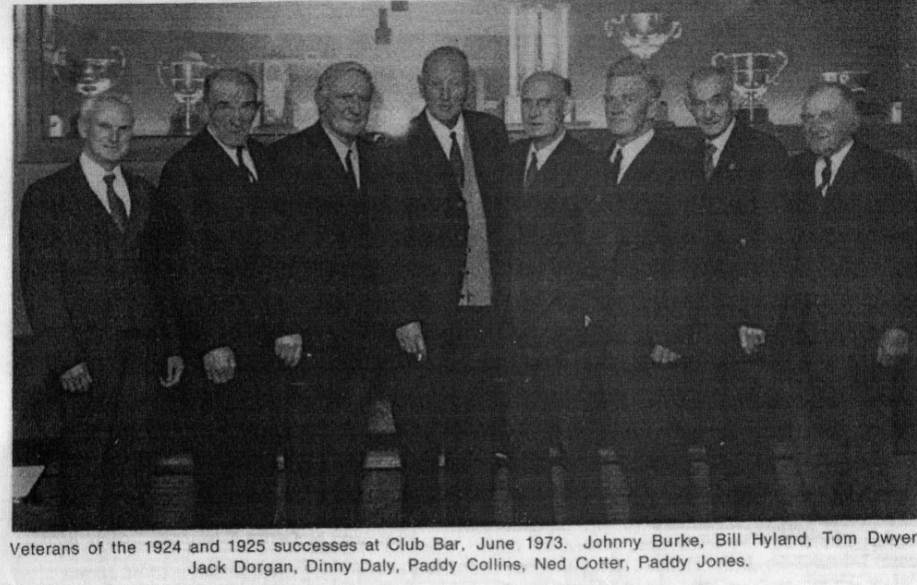
It was as a hurler with Glen Rovers that Billy was better known. He was with the Glen when they began their streak of eight County titles in a row, starting in 1934.
Glen Rovers hurling club formed at the Glen Boxing Club in Spring Lane, Blackpool in 1916. Their playing strip was green, white and gold, later adding black as a mark of respect for those who had died during the Easter Rising. In 1922 the Thomas Davis Hurling Club amalgamated with ‘The Glen’ and they won their first Cork Minor Championship that year.
Glen Rovers boasts amongst it’s former members Jack Lynch – who became a Fianna Fáil TD (probably costing Walter FURLONG his seat, although on the same ticket), Parliamentary Secretary, Minister for Education, Minister for Industry and Commerce, Minister for Finance and Taoiseach – and Christy Ring. Christy was considered the greatest hurler of his era, and recognised as an, if not the, all-time great. (A statue of Christy stands outside Cork international airport.)
History of Glen Rovers during Billy’s era
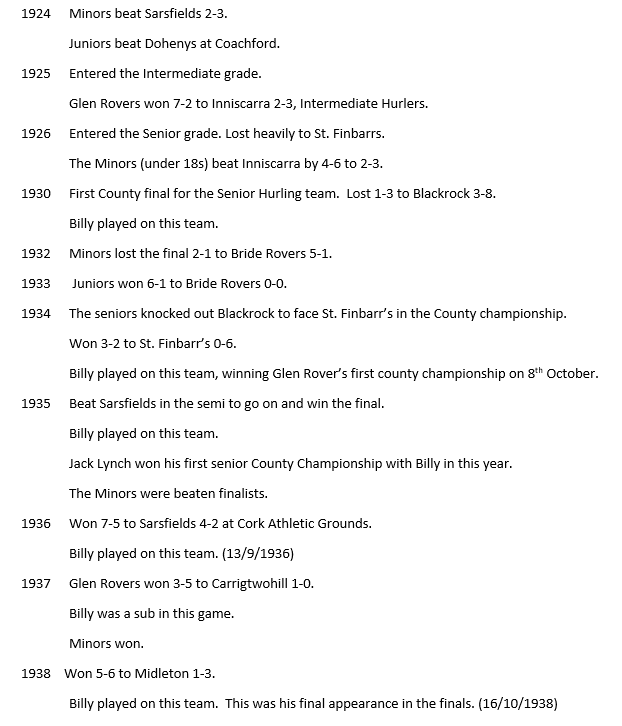
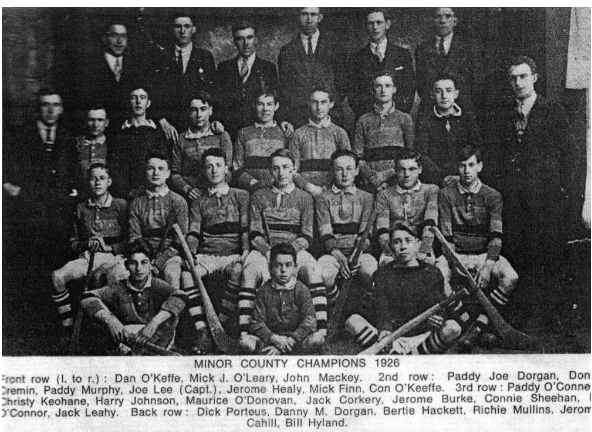
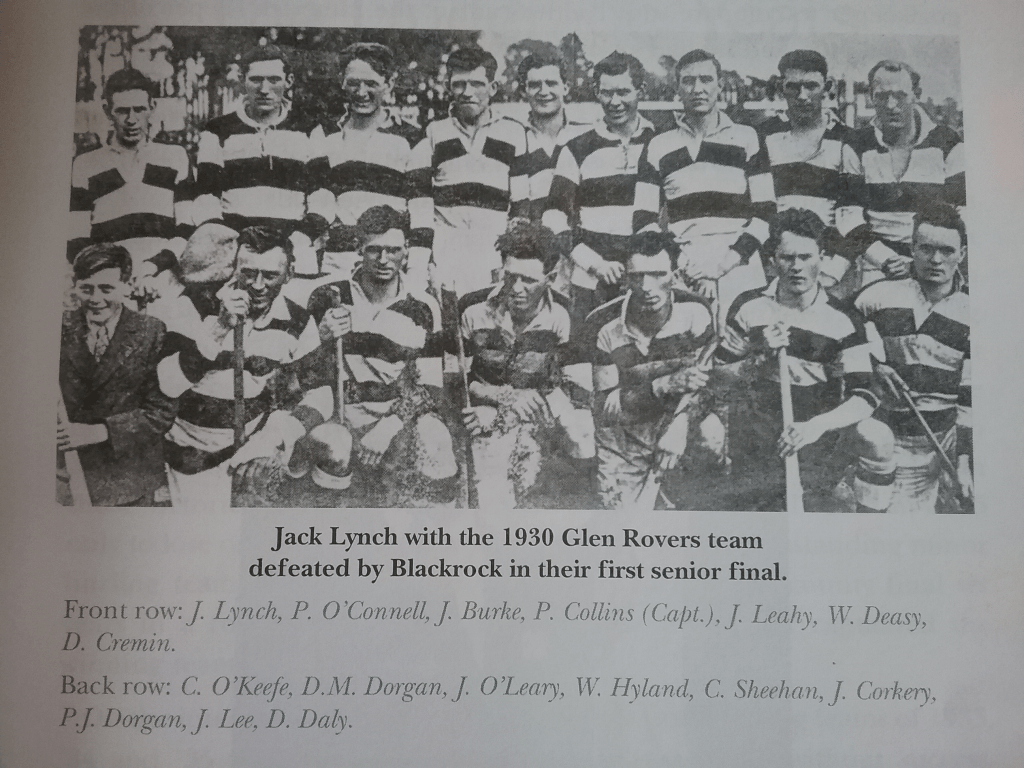
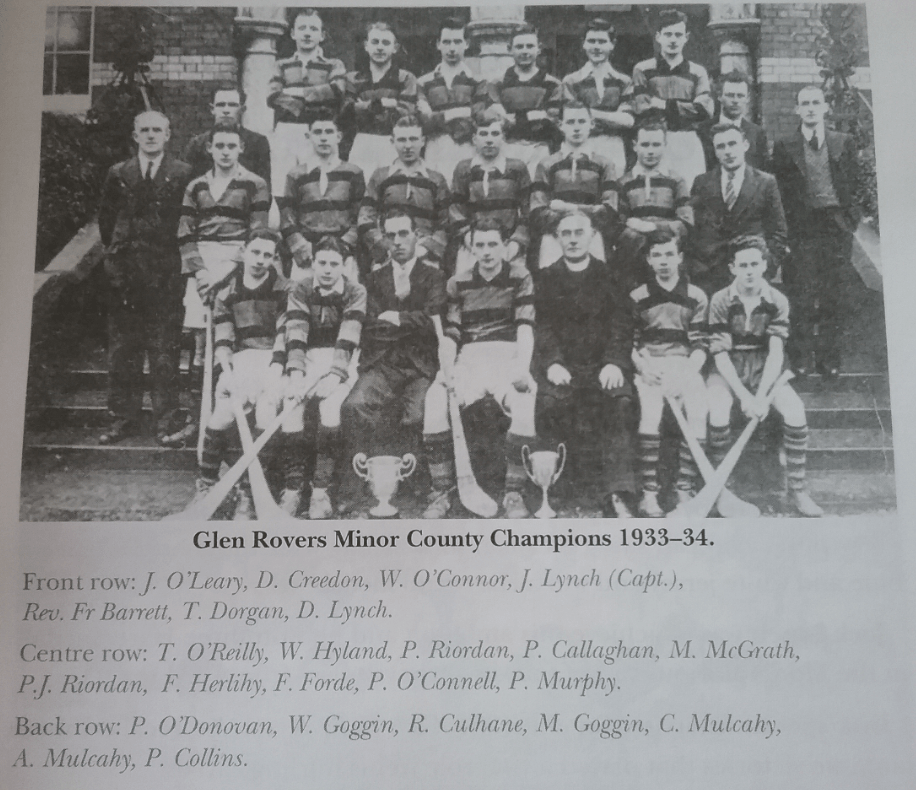
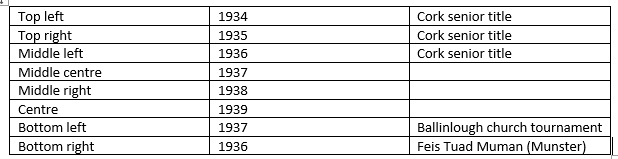
1934 County Champions for the first time
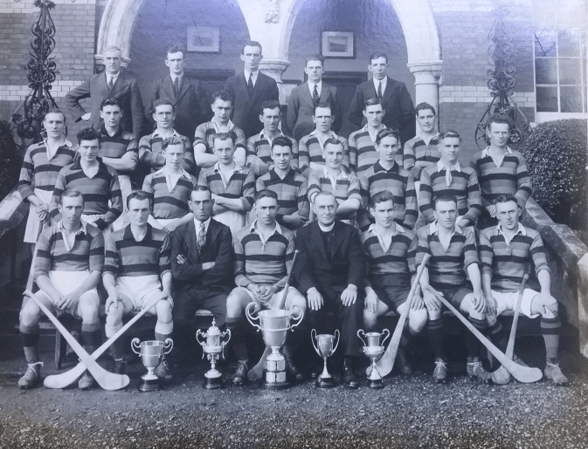
3rd row, 2nd from left Jack Lynch, 6th from left Billy Hyland.
The Cork Examiner reported on the 1934 Cork county finals match which had been played in front of over 18,000 spectators: ‘Bill Hyland was very prominent in a Glen attack which resulted in Patcheen Murphy scoring a great goal… Tim Kiely, C. Buckley, Hyland, Dorgan and Murphy were outstanding… ‘
The club celebrated with a victory parade and a week of festivities. The parade, on side- cars and wagonettes, travelled the South Mall, Grand Parade, North Main Street, North Gate Bridge and on to Blackpool. The streets and laneways of Blackpool were reportedly thronging with supporters and thousands sang and danced at the Cross Roads. Celebrations lasted a week as the cup moved from pub to pub in the area.[1]
In his last county final, in 1938, Billy scored a goal.
The following snippet is from Dermot Keogh’s biography of Jack Lynch:

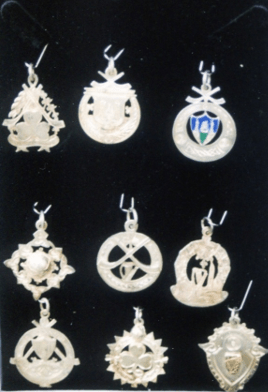
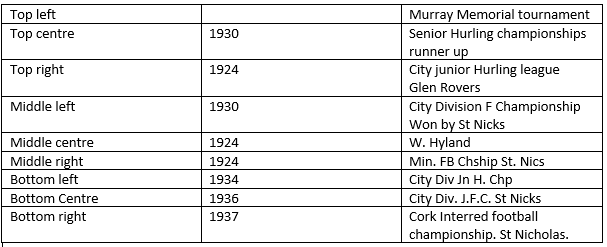
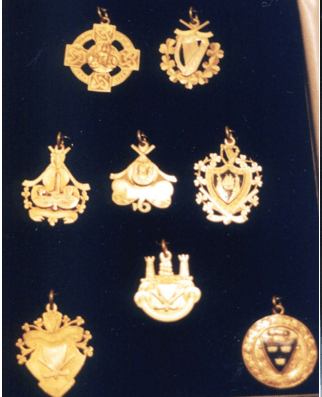
Billy’s medals from his St Nicks and Glen days were gifted to Glen Rovers club by my uncle in the early 2000s. A trip to the Glen is needed to get some decent photos!
Occupation
Like his brothers, Billy worked on the railways. According to his death certificate he had been a labourer for the C.I.E.
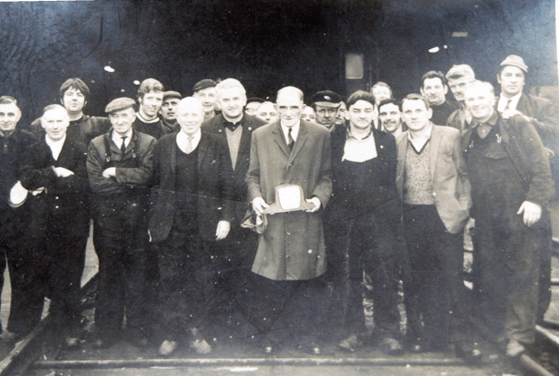
On Dec 18 1957 W. Hyland 30 Dublin St. was listed in the Irish Independent as having won the 30th cash prize in the Coras Iompair Eireann Club, Inchicore. This is the CIE, the state owned public transport company. It is unclear how much Billy won, but the next level winner won 30 /- each (30 shillings. In today’s money that is worth approximately €41.35.)
Death
Billy died on Thursday 8 December 1988 at St. Finbarr’s Hospital. His cause of death was Bronchopneumonia, Dementia, Osteoarthritis. He was 82 years old and the longest surviving Hyland son.
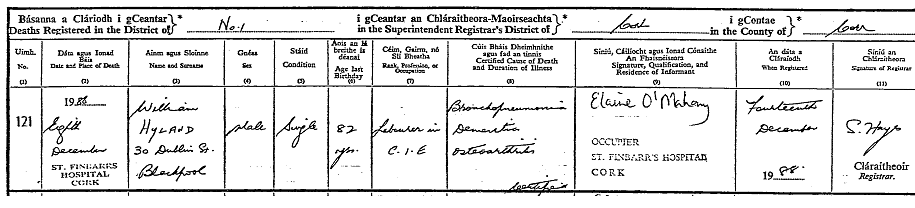
Notice of his death was published in the Cork Examiner the following day:
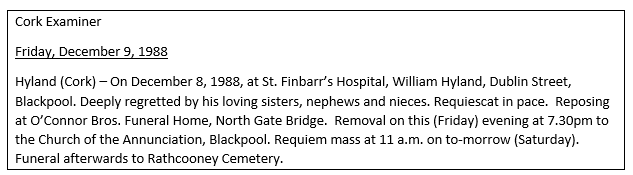
Billy is buried at Rathcooney cemetery with his sisters.
Family memories
Billy as remembered as a nice man, and like all the Hylands, quiet. Billy ‘wouldn’t say boo to a goose.’
The Hylands ‘weren’t demonstrative, they weren’t outgoing.’
He wasn’t known to be a drinker.
I recall my delight at meeting Uncle Billy in 1980. He seemed an old man. He smiled when I whispered he looked like photos I’d seen of my grandfather. He had the same protruding ears.
[1] Information and some photographs sourced from ‘Where he sported and played: Jack Lynch:’ by Liam Ó Tuama (2000) and “The Spirit of the Glen” – a history of Glen Rovers.
Billy’s success with Glen Rovers was reportedly of great pride to his second cousin, Dinny Hyland, who was himself a very successful athlete. Dinny was the Irish pole vaulting champion and a record smasher for years.
 In Search of Thomas Davis